Why Your Classic Car Is Overheating and How to Fix It
A Warning Sign You Should Never Ignore
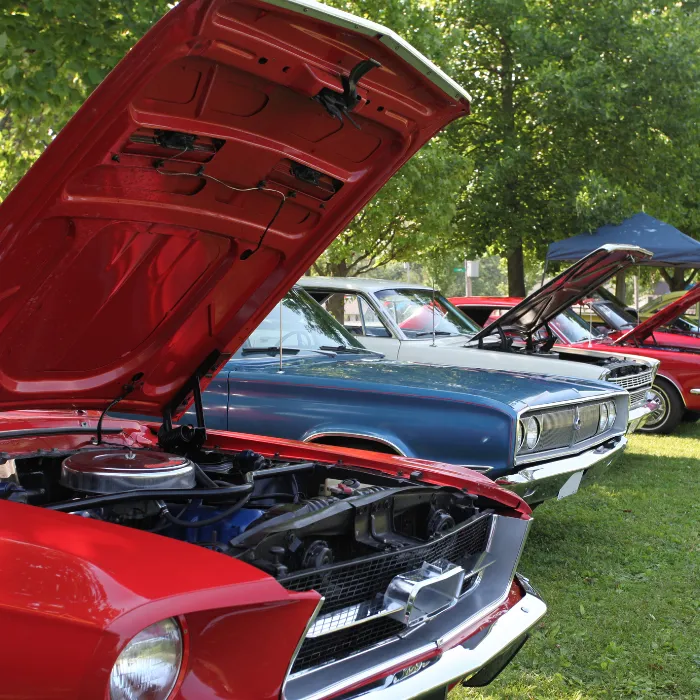
Few things are more alarming or more expensive than watching your classic car's temperature gauge creep toward the red. Classic car overheating is one of the most common problems vintage vehicle owners face, and one of the most preventable. Whether you drive a 1967 Camaro, a 1955 Chevy truck, or a 1970s muscle car, understanding why your engine runs hot can spare you from a cracked block, a blown head gasket, or a roadside breakdown you will be talking about for years.
This guide covers the root causes, how to diagnose the problem, and when to call a professional. If you are in the Port Charlotte area, the team at Tom Joyce Automotive has been solving classic car cooling system problems since 1993, with a reputation built on honesty, not upselling.
Why Classic Cars Overheat More Than Modern Vehicles
Classic cars were engineered for a different era. They ran on leaded fuel, operated at lower compression ratios, and were never designed for today's stop-and-go traffic or Florida's relentless summer heat. Their cooling systems rely on components that age poorly: rubber hoses that crack, radiator cores that corrode from the inside, and thermostats that stick shut without warning.
Modern vehicles benefit from aluminum engine blocks, electric cooling fans, and long-life coolant formulas. A vintage car from the 1960s or 70s is working with original design tolerances, even when many parts have been replaced over the decades. That's why overheating in a classic car is rarely a one-and-done fix. It is a system-wide conversation.
The Most Common Causes of Classic Car Overheating
A Failing or Clogged Radiator
The radiator is the heart of your cooling system. Over decades, mineral deposits, rust, and sediment build up inside the radiator core, reducing its ability to transfer heat. In older vehicles, many radiators were made of brass and copper, materials that corrode faster than modern aluminum units.
Signs your radiator may be the problem: coolant appears brown or rusty, the engine runs hot even at highway speed, or you notice small puddles of coolant beneath the car after parking.
Deteriorated Coolant Hoses
Rubber coolant hoses degrade from the inside out. A hose can look fine on the surface but be collapsing internally, restricting flow to a trickle. Squeeze each hose when the engine is cold. It should feel firm but pliable. If it feels mushy, brittle, or cracks when bent, replacement is overdue.
A Stuck Thermostat
The thermostat regulates coolant flow by staying closed until the engine warms up, then opening to allow circulation. When it sticks closed, coolant never moves and the engine overheats fast. A stuck thermostat is often the cheapest fix in the overheating playbook, with parts typically under $20, but it is frequently overlooked because it is buried inside the housing and easy to forget.
Low or Wrong Coolant
Running low on coolant or using a mix that is too diluted dramatically reduces the system's ability to manage heat. In Florida, where temperatures stay high for months, this margin disappears quickly. Older engines also often require coolants with specific zinc and phosphate levels to protect cast iron components. Using a modern universal coolant without checking compatibility can accelerate internal corrosion.
A Failing Water Pump
The water pump moves coolant through the entire system. When the impeller corrodes or the bearing wears out, flow drops, sometimes so gradually that the problem is not obvious until the engine is already running hot. Listen for a low rumbling from the front of the engine, and watch for coolant seeping from the weep hole at the bottom of the pump housing.
A Slipping Fan Belt
Classic cars relied on a mechanical fan driven by the fan belt. A belt that is cracked, glazed, or loose will not spin the fan fast enough at idle or low speeds, exactly when cooling demand is highest. A visual inspection takes thirty seconds and the belt itself is inexpensive.
Check out our classic auto repair services
How to Diagnose the Problem
Important: if your gauge is in the red while driving, pull over, shut the engine off, and wait at least 30 minutes before opening the hood. Never remove the radiator cap from a hot engine. Pressurized steam causes serious burns.
Once the engine is cool, work through these steps:
Check coolant level. Low coolant points to a leak or slow evaporation over time.
Inspect all hoses. Look for cracks, soft spots, and swelling near the clamps.
Check the fan belt. Look for glazing or fraying. More than half an inch of deflection by hand means it needs attention.
Look under the car. Green, orange, or pink fluid on the ground confirms an active leak.
Start cold and watch the gauge. Fast climb before warm-up suggests a stuck thermostat. Overheating at idle but not at speed points to the fan or a restricted radiator.
If the system looks intact but overheating continues, a pressure test by a qualified shop will find what a visual inspection misses. The service team at Tom Joyce Automotive uses a systematic diagnostic process that keeps repair costs honest and predictable.
Prevention: The Smartest Fix of All
Worth knowing: Overheating is responsible for roughly 40% of all engine failures. In vintage vehicles, aging components fail with less warning, making that number climb higher.
Every 6 months:
Inspect coolant hoses and clamps
Check fan belt tension and condition
Test coolant freeze and boil protection with an inexpensive strip test
Every 2 years:
Flush and replace coolant (sooner if fluid looks discolored)
Pressure-test the system to catch slow leaks early
Every 4 years:
Rebuild or replace the water pump
Replace the thermostat as preventive maintenance
If you are unsure where your car stands, requesting a service inspection is a straightforward way to get a clear picture before a small problem becomes a large one.
When to Call a Professional
Some fixes are genuinely simple: a new thermostat, a tightened belt, a coolant top-off. Others require pressure testing equipment and experience with vintage cooling system architecture. Call a professional when:
The engine has already overheated severely and you need an internal damage assessment
You have replaced the obvious parts and the problem persists
The water pump needs replacement (incorrect installation causes immediate failure)
The radiator needs to be rodded out or re-cored
For Charlotte County residents, Tom Joyce Automotive has worked on vintage vehicles for over 30 years. The shop's 5.0-star rating across thousands of verified reviews reflects a commitment to transparent estimates and clear communication, which matters when you are trusting someone with a car that cannot be easily replaced.
A Note for Florida Owners Specifically
Port Charlotte presents challenges that cooler climates do not. Summer temperatures exceed 90°F for months, humidity stays high year-round, and coastal salt air corrodes radiator cores and metal fittings faster than most owners expect.
A cooling system that handles a mild northern climate well may struggle here. Run a quality coolant with corrosion inhibitors rated for cast iron and aluminum, inspect the radiator exterior for salt buildup regularly, and avoid extended idling in traffic if the car has not been recently serviced.
Key Takeaways
The most common causes of classic car overheating are a failing radiator, deteriorated hoses, a stuck thermostat, and low or degraded coolant.
Classic cars built before 1980 are especially vulnerable because their cooling systems were designed for a different era of driving.
Florida's heat and humidity accelerate cooling system wear, making seasonal inspections essential for Charlotte County owners.
Most overheating problems are entirely preventable with a consistent maintenance schedule.
If your temperature gauge climbs into the red, pull over immediately. Continuing to drive risks a warped head or complete engine failure.
Conclusion
Classic car overheating is not a problem that fixes itself. What starts as a worn hose or a slightly clogged radiator can quietly become a warped cylinder head or a seized engine, and repairs in that territory run into thousands of dollars.
The good news is that vintage cooling systems, while older, are simpler. With regular inspections and timely attention to worn parts, most overheating problems never happen at all. Catching a problem early is the difference between a $20 thermostat and a $4,000 engine rebuild.
If your classic car has been running hotter than it should, do not wait. Request a service inspection or contact the team at Tom Joyce Automotive, Charlotte County's most trusted shop for classic car cooling system repair since 1993.