
Why Is My Car AC Blowing Warm Air Suddenly?
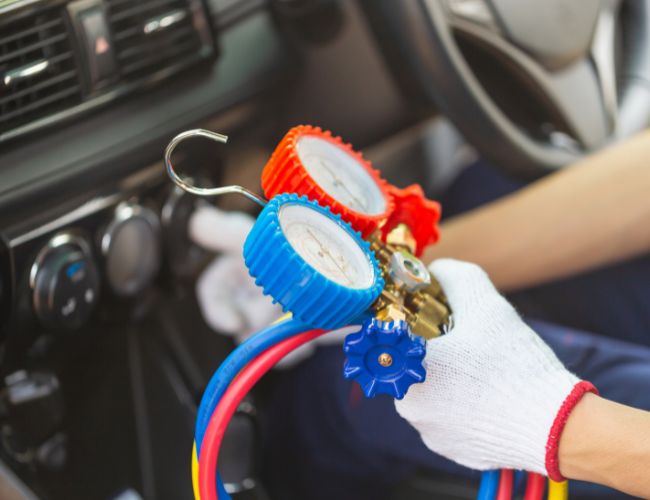
There is nothing quite like sitting in Florida traffic on a July afternoon and realizing your car AC has stopped cooling. If your car AC is blowing warm air all of a sudden, the most likely causes are a refrigerant leak, a failing compressor, a blown fuse, or a blocked condenser. In most cases, the problem is diagnosable in minutes and fixable without breaking the bank, as long as you catch it early.
In this guide, we will walk through exactly why this happens, what you can check yourself before calling a shop, and why Florida's heat and humidity make the problem worse than it would be almost anywhere else in the country.
The Most Common Reasons Car AC Suddenly Blows Warm Air
When cold air turns warm overnight, it is rarely random. There is almost always a specific mechanical or electrical reason behind it, and narrowing it down starts with understanding how your AC system works together.
Low or Leaking Refrigerant
This is the number one reason drivers report a sudden loss of cold air. Refrigerant is the substance that actually absorbs heat from your cabin, and if the level drops even slightly below the system's threshold, the compressor will not engage, which means no cold air at all. Refrigerant does not get "used up" through normal driving. If your levels are low, it almost always points to a leak somewhere in the hoses, seals, or condenser.
A Failing AC Compressor or Clutch
The compressor is the heart of your AC system. It pressurizes refrigerant so it can absorb and release heat as it cycles through the system. If the compressor clutch fails to engage, either from electrical failure or mechanical wear, your fan will still blow air, but that air will be warm because nothing is being cooled or circulated through the refrigerant loop. Compressor issues are one of the more involved repairs covered under our car AC repair services, since diagnosing a clutch failure correctly the first time saves you from paying twice.
Electrical or Fuse Issues
Sometimes the fix is simpler than a mechanical failure. A blown fuse, a failed relay, or a wiring issue can prevent the compressor clutch or the AC control system from engaging at all. This is more common than most drivers expect and is one of the cheaper problems to resolve once identified.
A Clogged or Blocked Condenser
The condenser sits at the front of your vehicle and releases heat from the refrigerant as air passes through it. Road debris, dirt, and even small pests can block airflow through the condenser fins, especially in Florida where dust and pollen build up quickly. When the condenser cannot release heat properly, your AC output suffers even though every other component is technically working.
Quick Checks You Can Do Before Calling a Mechanic
Before scheduling a repair, a few simple observations at home can help you and your mechanic narrow down the cause much faster.
Listen for the Compressor Clicking On
With the engine running and AC set to max, listen and feel under the hood for a faint clicking or engagement sound. That is the compressor clutch turning on. If you never hear it engage, the issue is likely electrical or refrigerant related rather than a condenser blockage.
Check if the Fan Is Blowing Air at All
If no air is coming through the vents whatsoever, even warm air, the issue may be with your blower motor rather than the AC system itself. This distinction matters because it changes the entire diagnostic path.
Inspect for Visible Refrigerant Leaks or Oily Residue
Refrigerant leaks often leave a faint oily residue near hose connections, the compressor, or the condenser. If you spot greasy buildup in these areas, it is a strong sign of a leak that needs professional attention before more refrigerant is added.
Why Florida Heat and Humidity Make AC Problems Worse
Car AC systems in Southwest Florida work harder than almost anywhere else in the country. Between triple-digit heat index days, stop-and-go traffic, and constant humidity, your compressor and condenser are under near-continuous load for months at a time. This extra strain accelerates wear on seals and hoses, which is part of why refrigerant leaks and compressor failures tend to show up more suddenly and more often here than in cooler, drier climates. A small leak that might take years to become noticeable in a mild climate can become a full loss of cooling within weeks under Florida conditions.
Florida's heat does not just make a broken AC more uncomfortable. It actively accelerates the wear that causes AC systems to fail in the first place.
When to DIY vs. When to See a Professional
Knowing where your own troubleshooting should end, and professional diagnosis should begin, can save you both time and money.
Safe DIY Checks
Checking your cabin air filter, confirming fuses are intact, and listening for compressor engagement are all safe steps any driver can take. These checks cost nothing and often point you in the right direction before you even pick up the phone.
Warning Signs You Shouldn't Ignore
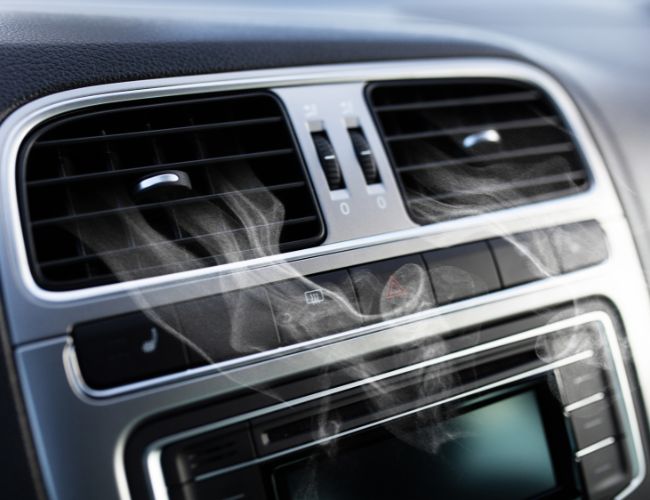
If you notice a sweet smell inside the cabin, visible oily residue near AC components, grinding or squealing when the AC is on, or air that has gradually gotten warmer over several days rather than all at once, it is time to bring the vehicle in. These symptoms often point to leaks or compressor damage that get more expensive the longer they go unaddressed. If any of this sounds familiar, you can schedule an AC inspection before the problem grows into a bigger repair.
How Much Does It Cost to Fix Warm Car AC?
Costs vary widely depending on the root cause, which is exactly why an accurate diagnosis matters before any repair begins. A simple recharge for a minor leak is typically the most affordable fix, while a full compressor replacement sits at the higher end due to parts and labor. Electrical repairs like a blown fuse or faulty relay often fall in between. The most important step is getting a clear, honest explanation of what is actually wrong before agreeing to any repair, so you are only paying for the work your vehicle actually needs.
Key Takeaways
A sudden loss of cold air is usually caused by low refrigerant, a failing compressor, an electrical fault, or a blocked condenser.
Refrigerant does not run out from normal use. If levels are low, there is almost always a leak.
Florida's heat and humidity accelerate wear on AC components compared to milder climates.
Listening for compressor engagement and checking for oily residue are easy first steps before a shop visit.
Getting an accurate diagnosis first prevents paying for repairs your car does not actually need.
Final Thoughts
A car AC blowing warm air all of a sudden is frustrating, especially in Florida heat, but it is rarely a mystery once you know what to look for. Whether the cause turns out to be a slow refrigerant leak, a worn compressor, or something as simple as a blown fuse, catching the issue early by scheduling a car inspection keeps both your comfort and your repair bill in check.
If your AC has stopped blowing cold and you want a straight answer about what is actually wrong, our team at Tom Joyce Automotive is happy to help, and you're always welcome to contact us with questions before booking. Staying ahead of small AC issues now means one less thing to worry about the next time Florida heat hits full force.